Do what you’ve always done and you’ll get what you’ve always got!
How can you handle recruitment differently in 2026 to get a head start? One thing’s for sure, if you do it the same way, you’ll get the same results. So, what needs to change?
Could you build recruitment into your goals for 2026, or prepare a robust recruitment process? And have you thought about retention?
For me, this exercise falls into two sections.
1. What you can learn from your existing team
What do people like about working for your business?
Why do people leave? Can you address any of the reasons for this?
What do your teams regularly ask you for?
Do your people have the capacity and skills to meet predicted business demands for the year ahead?
In terms of retention, what went well last year and what didn’t?
What can you do for the people who are doing a great job for you right now, such as recognition or more responsibilities?
Is there anything else you can implement for your existing teams, such as flexible/remote/hybrid working, reduced working hours, a 9-day fortnight or a 4-day working week, a holiday buy-back scheme, etc? During the interview – communicate exactly what the job is all about, what your business ethics and values are, everything about the working conditions, hours, benefits, working location etc. and whilst you do your best to create a welcoming appealing workplace – be very clear and open about exactly what the job is all about.
2. What you need to consider when recruiting for business growth
Skills Shortages: What skills are you currently lacking in your team?
New Talent: If you have to bring in new people, have you researched salaries for these skill sets? What are competitors paying and offering to attract people with these skills? How are you going to attract these individuals? How long will it take? Are they in short supply?
Replacing Leavers: If people leave, will you replace them with exactly the same job description? Or will you take this opportunity to review and update it in line with business growth?
The Recruitment Process: When do you want these new people to start? Who is going to train and evaluate them? How will success be measured? Who is going to manage the recruitment process? Are you asking the best questions to recruit for values as well as skills and experience? Are you onboarding in the best possible way? Do you manage the probation period effectively?
In 2012, I was the first UK recruiter to become accredited to offer Talent Dynamics profiling. Since then, I have been working with Talent Dynamics in businesses who want to enhance the performance of their teams, and who want to use it to recruit more effectively. I have also been working with individuals at career crossroads who want to learn about themselves and what puts them in Flow.
What is Talent Dynamics?
Talent Dynamics profiling is a professional and personal development framework designed to help individuals and teams understand their strengths, contributions, and best roles within an organization. It is described as the No 1 Business Development Pathway due to the massive shift in teams who work with the Trust and Flow created by knowing and understanding their Talent Dynamics profiles.
What is the Concept of Flow?
The concept of “flow” is central to Talent Dynamics. It refers to a state of optimal productivity and fulfillment where individuals work in roles that align with their natural strengths and talents. When people are in flow, they are more engaged, effective, and happy.
It is derived from the Wealth Dynamics system created by Roger James Hamilton and tailored specifically for team performance in a business environment.
Here’s an overview of Talent Dynamics profiling:
Key FeaturesFocus on Flow: The concept of “flow” is central to Talent Dynamics. It refers to a state of optimal productivity and fulfillment where individuals work in roles that align with their natural strengths and talents. When people are in flow, they are more engaged, effective, and happy.
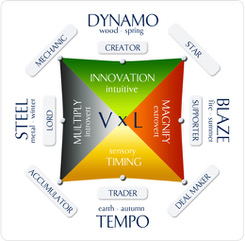
Profiles: There are eight profiles in the system, each representing a specific set of strengths and natural ways of working. These are:
Creator: Innovative and visionary, great at initiating projects.
Star: Charismatic and inspiring, excels at engaging with others and being in the spotlight.
Supporter: Relationship-focused, skilled at building and managing teams.
Deal Maker: Natural negotiator, thrives on creating win-win opportunities.
Trader: Observant and grounded, adept at managing resources and timing.
Accumulator: Methodical and detail-oriented, excels at long-term planning and stability.
Lord: Analytical and process-driven, great at managing systems and efficiency.
Mechanic: Innovative in systems and processes, excels at creating improvements and automation.
Would you like to learn more about Talent Dynamics and the power it has to grow your business?
Email me or message me here. Can’t wait to talk to you.
I am Supporter by the way! That’s my Talent Dynamics profile!
 BPL Newsletters
 BPL Newsletters


